
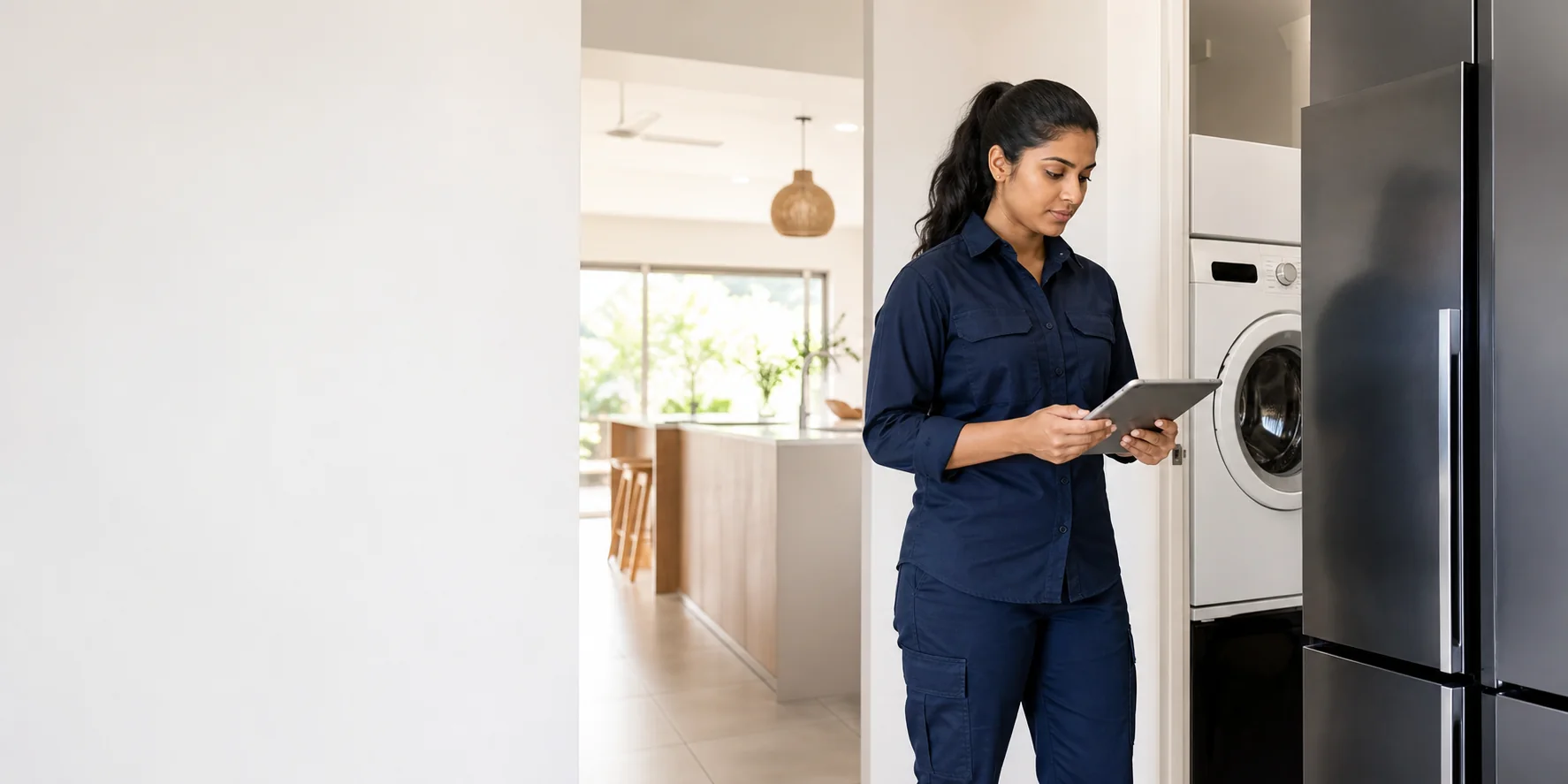
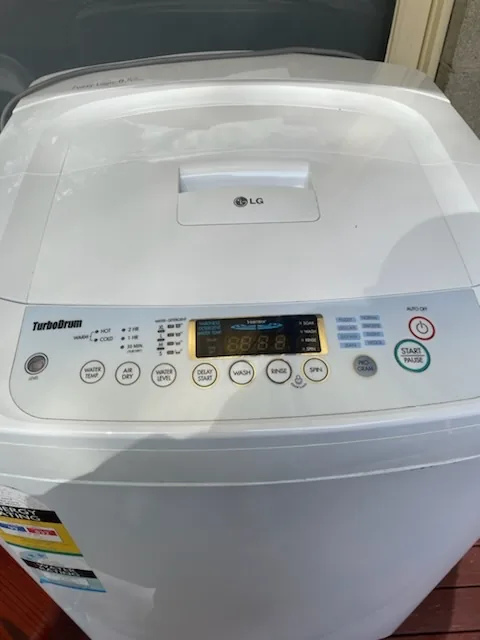
Washing Machine Repairs
Washing machine not draining, spinning or finishing a cycle? Check common problems and what to have ready before contacting us.
Find help for a household appliance problem. Choose your appliance to see common faults, what to have ready and when to stop using it.
Not sure what has failed? Start with the appliance and what it is doing. We will discuss the checks and repair options from there.
Washing machine not draining, spinning or finishing a cycle? Check common problems and what to have ready before contacting us.
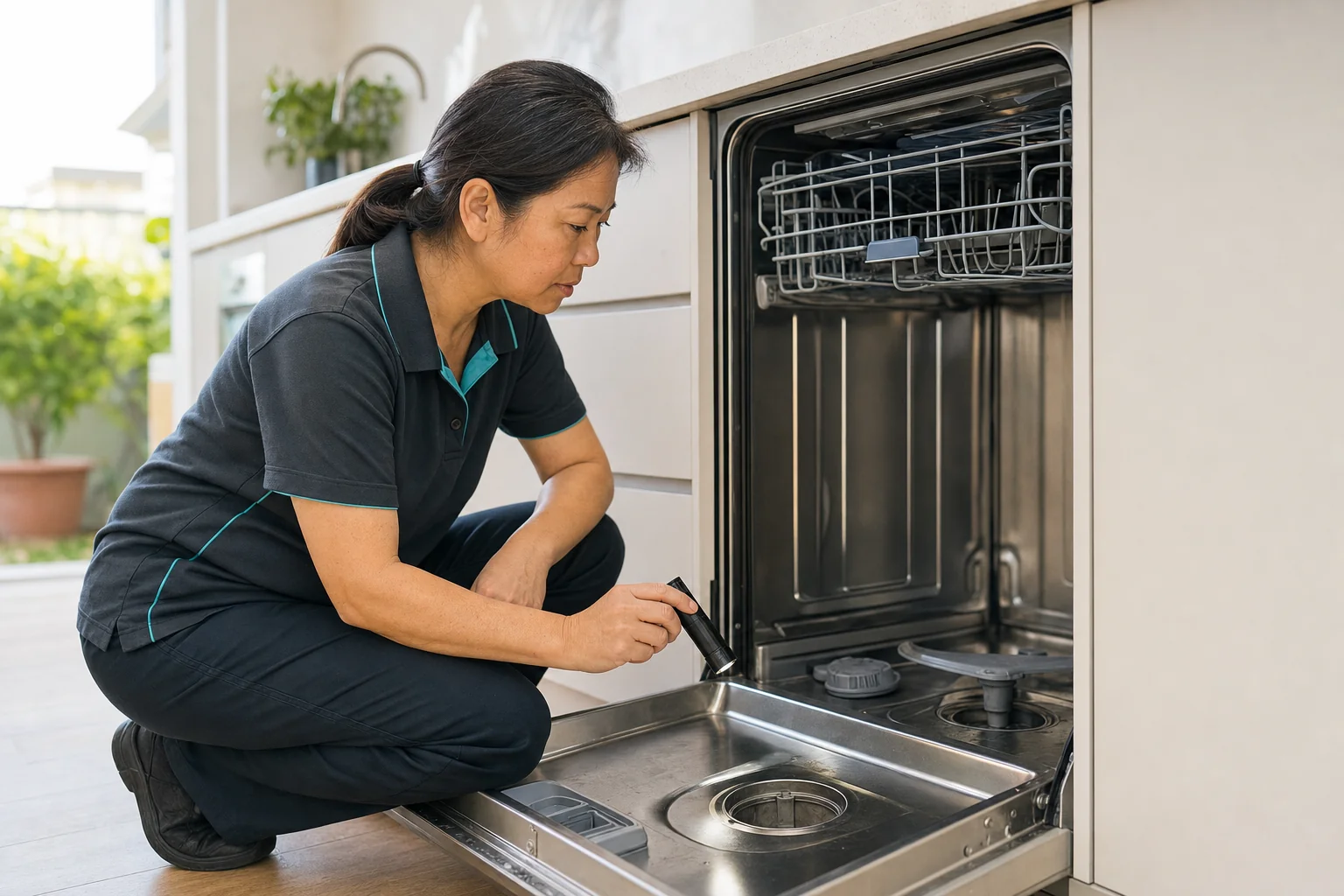
Dishwasher not draining or cleaning properly? Find help with leaks, cycle problems, unusual noises and error codes.
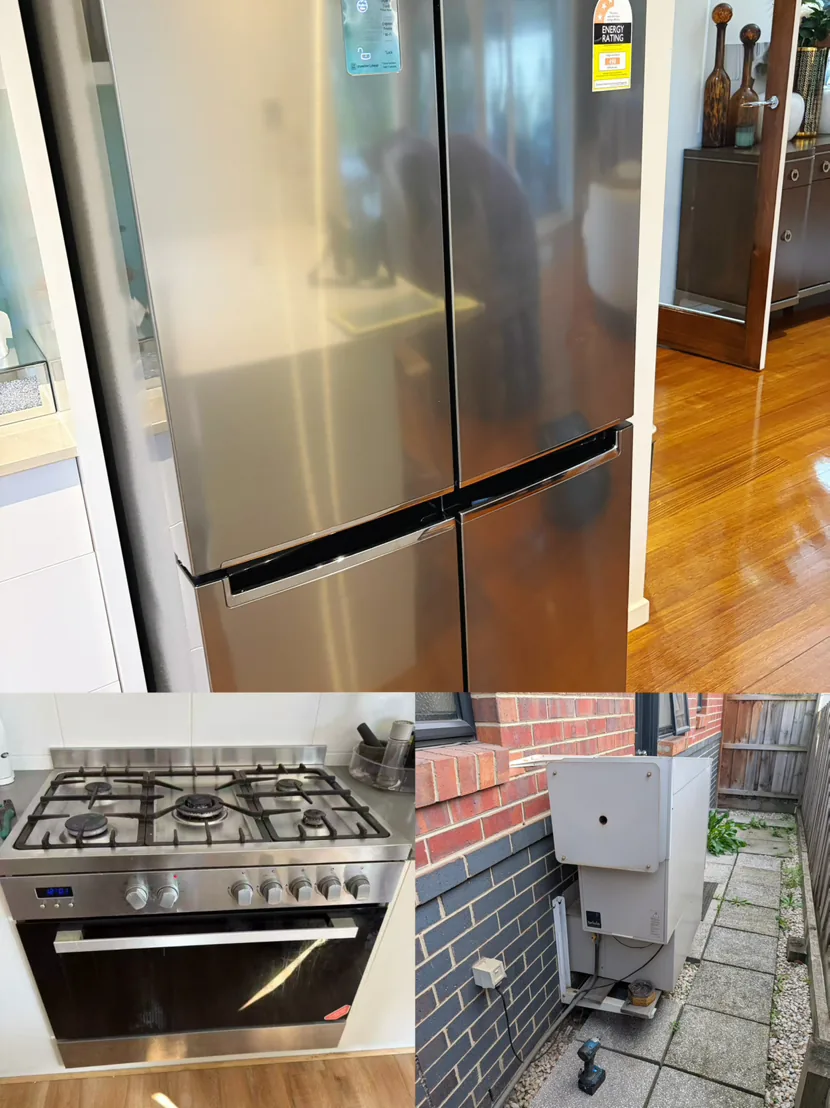
Fridge not cooling or freezer building up ice? Check common temperature, alarm and airflow problems.
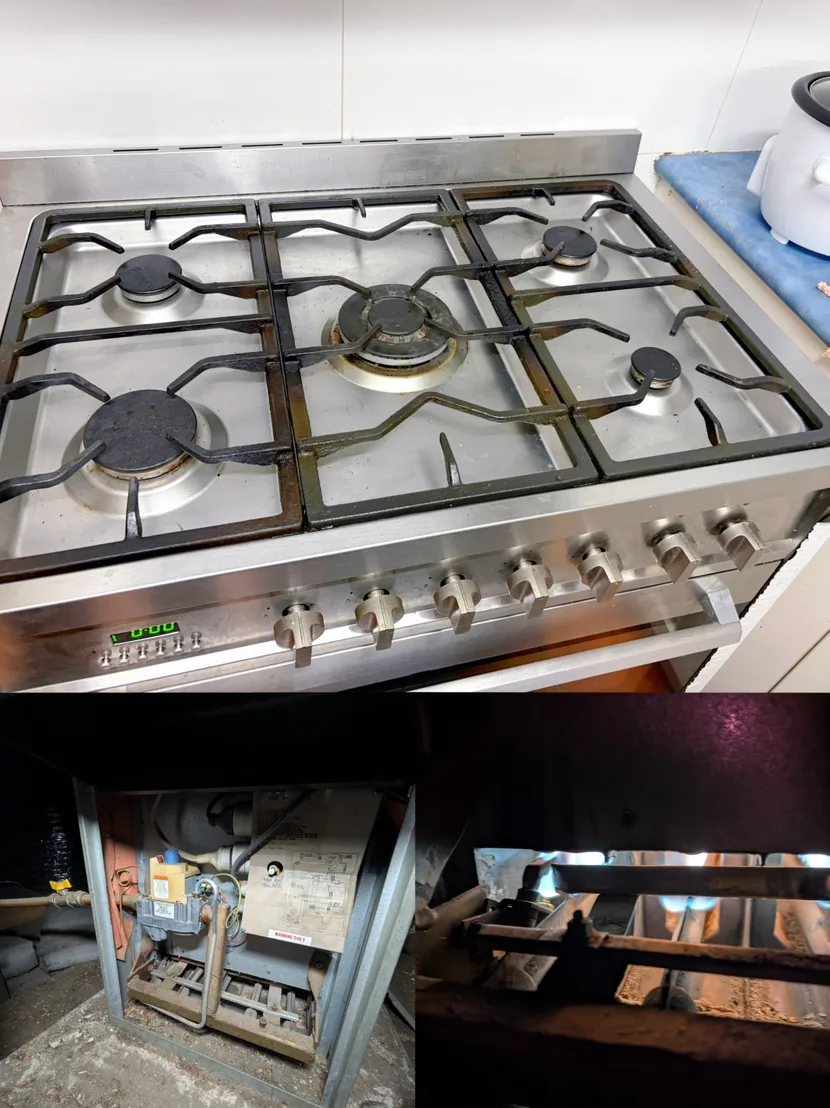
Oven not heating or cooking unevenly? Check heating, fan, door and control problems.
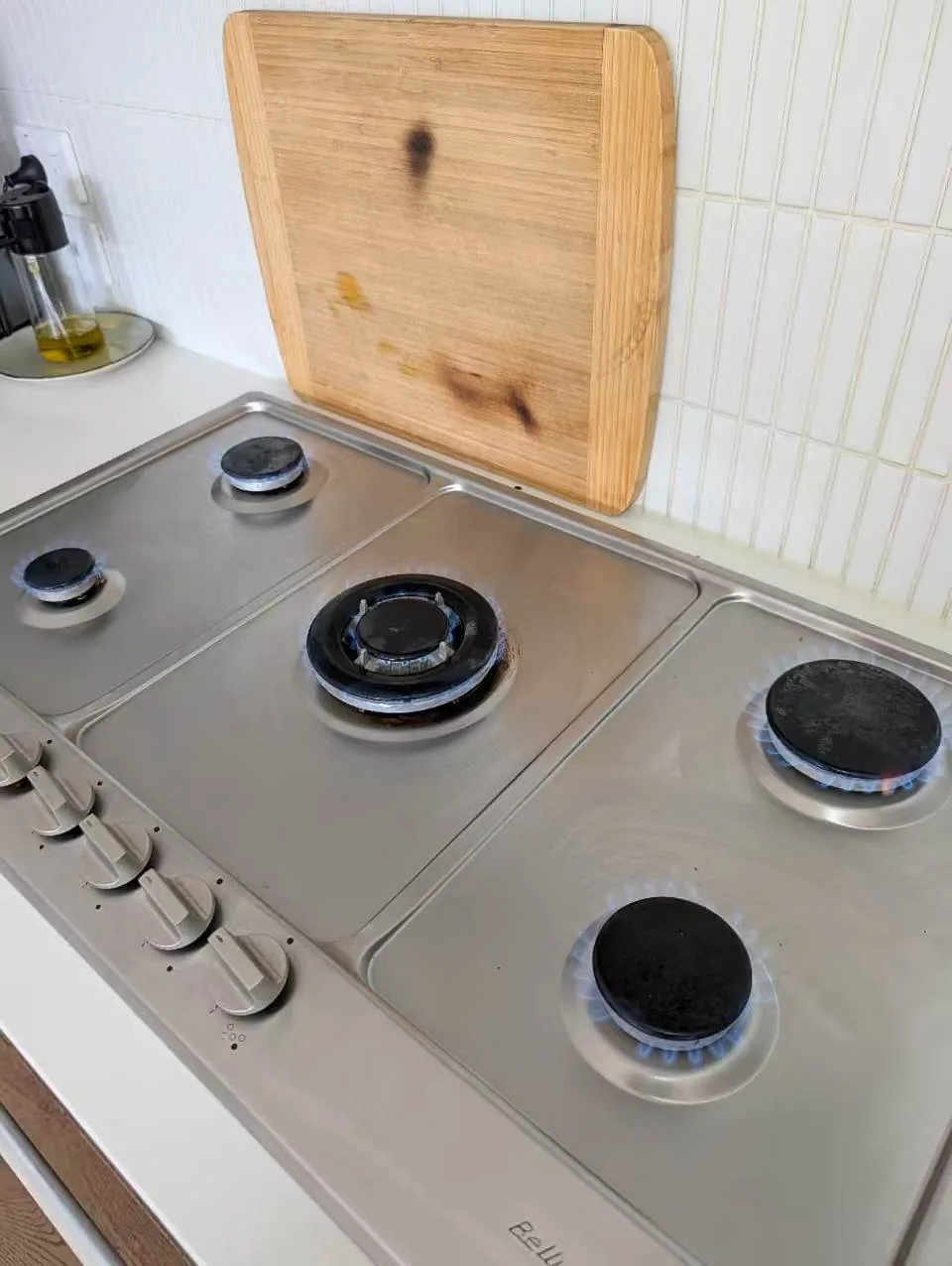
Burner not lighting or cooktop not heating? Find help with gas, electric and induction cooktop problems.
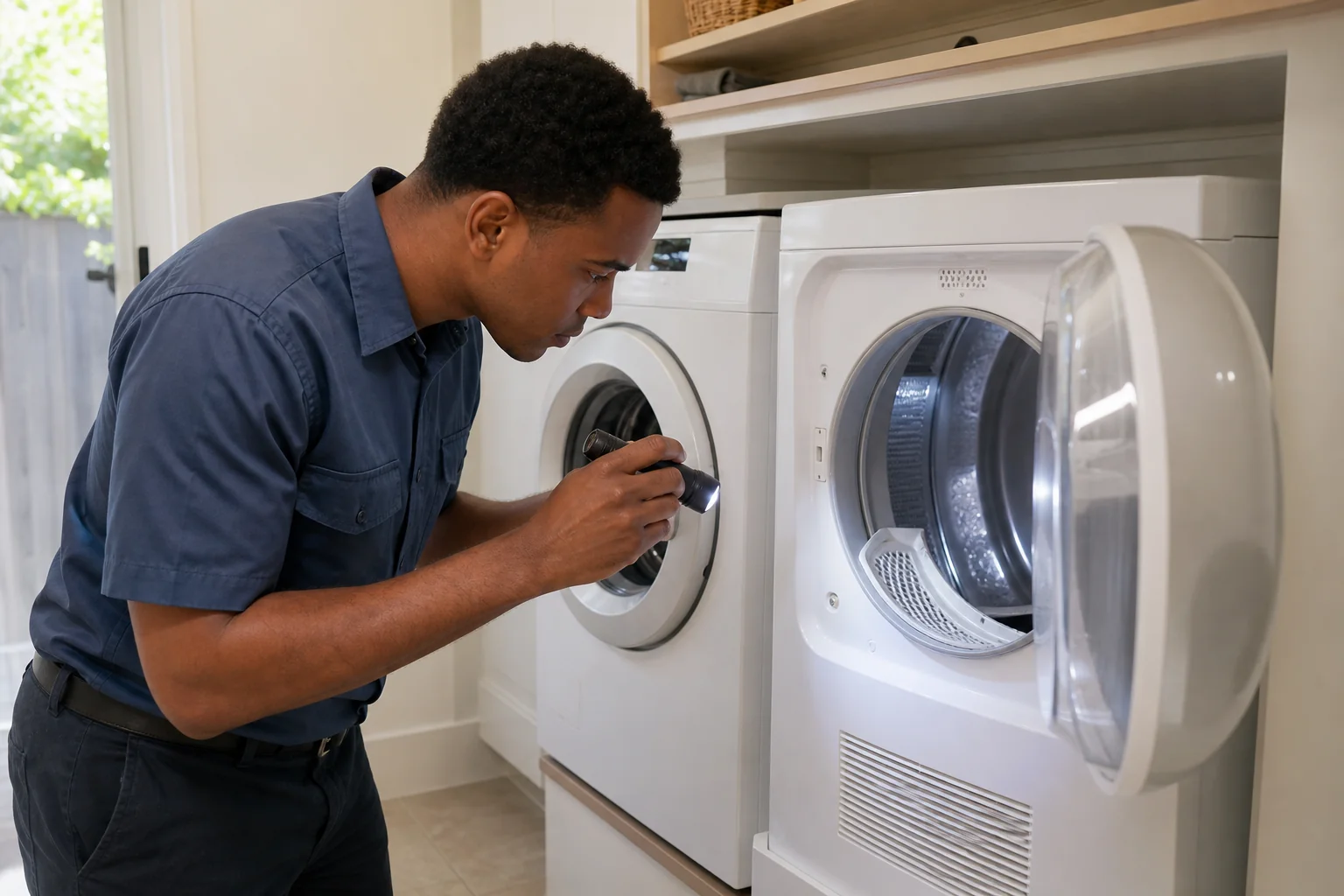
Dryer not heating, taking too long or stopping early? Check common drying, airflow and drum problems.
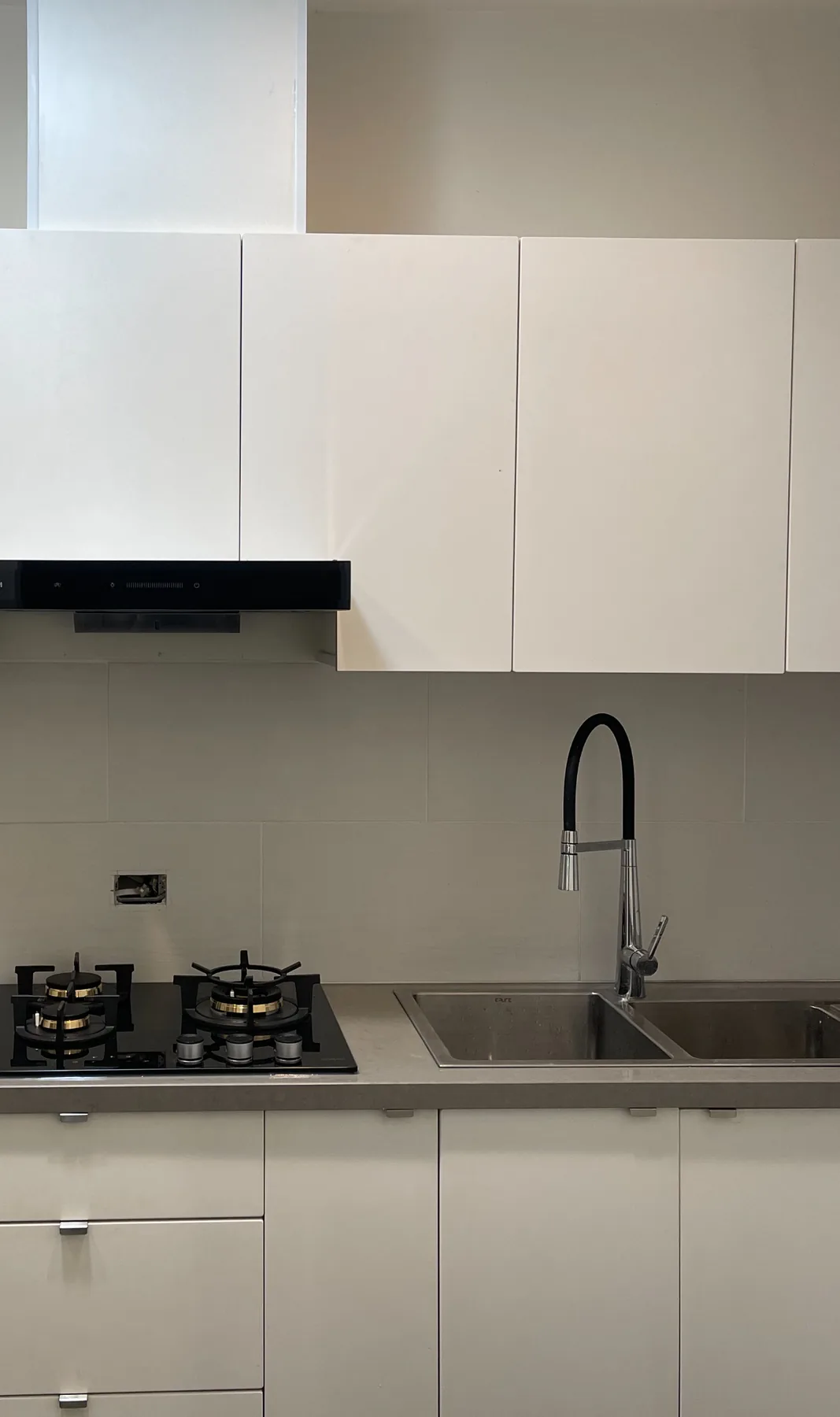
Rangehood not extracting, making a noise or losing power to its lights? Check fan, filter and control problems.
Water left in the drum, leaks or a cycle that stops before draining.
View service detailsRising temperatures, excess ice or uneven cooling between compartments.
View service detailsBeeping, unresponsive controls or a wash program that stops.
View service detailsNew scraping, rattling or vibration while the drum turns.
View service detailsThe cost depends on the fault, access to the appliance, replacement parts and any specialist work. These details need checking before a repair price can be confirmed.
Cabinetry, stacked units, stairs, lifts and safe working clearance.
Intermittent faults and several similar symptoms may need systematic testing.
Model-specific availability and whether a return visit is required.
Any electrical, gas, plumbing or refrigeration work must be handled by the appropriately licensed trade.
Find common problems for the appliance that needs attention.
Choose a service →Note the model and error code, and check when the appliance should be switched off.
Open a service →Include the model and Brisbane location when safely available.
Check your area →Send the appliance, symptom and access details for the team to review.
Open the enquiry form →Electrical, gas, plumbing and refrigeration work must be carried out by an appropriately licensed person. The trade required depends on the fault and the work involved. Call 000 for smoke, fire or immediate danger.
Start with the appliance that changed, then record the exact symptom, cycle stage or displayed code. If more than one appliance is affected after a power event, describe that in one enquiry.
A photo can show the model, display and visible condition, but it cannot confirm hidden component failure, parts compatibility or the final repair scope.
Appliance type, installation access, fault-finding time, parts availability, return visits and any regulated electrical, gas, plumbing or refrigeration work can affect scope.
Stop using it if there is heat, burning smell, sparking, water near electrical parts or repeated power tripping. Otherwise record when the fault occurs and seek assessment before it worsens.
Have the brand, model, error code, Brisbane suburb, safe access notes and a short description of what changed. Do not remove covers or move a heavy appliance.
Tell us the appliance, model, problem and Brisbane suburb.